Category: Uncategorized

  • Gua Sha: Scraping Away Stagnation 
for Vitality

    Gua Sha: Scraping Away Stagnation for Vitality

    Gua Sha (Scraping Therapy) is a cornerstone of Traditional Chinese Medicine (TCM) that has gained global popularity, particularly in sports recovery and facial skincare. While the resulting red marks may look intense, the process is a highly effective way to release tension and detoxify the body.

    1. The Mechanism: Friction and Microcirculation

    Unlike cupping (suction) or massage (pressure), Gua Sha uses unidirectional friction.

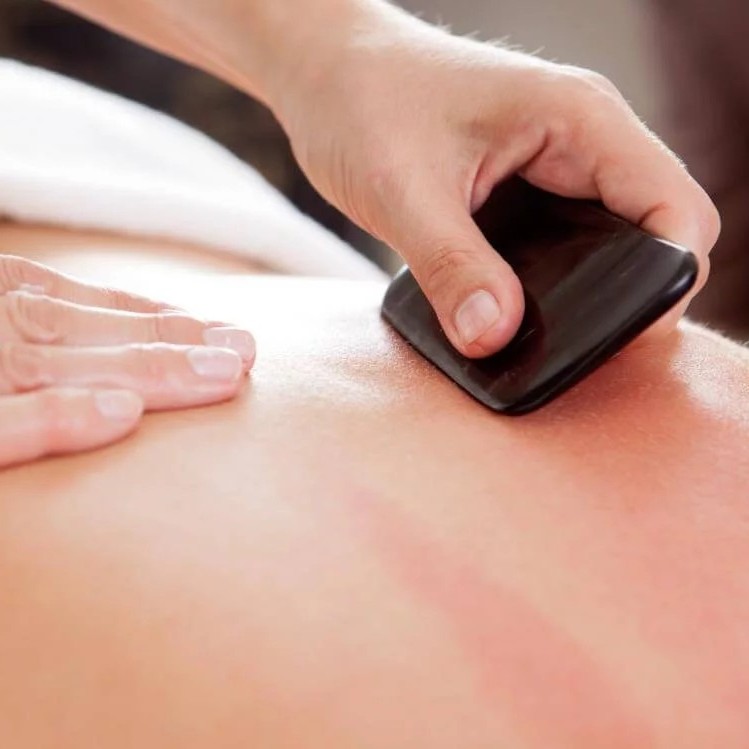
    • Micro-Perfusion: The scraping action creates intentional “micro-trauma” in the surface capillaries, resulting in small red or purple spots called “Sha” (petechiae). This process triggers a powerful anti-inflammatory and immune response as the body works to clear these tiny dots, effectively “rebooting” the local circulation.
    • Fascial Release: Gua Sha acts like a “squeegee” for your tissues, smoothing out the fascia and breaking down adhesions that cause chronic pain and restricted movement.

    2. The TCM Perspective: Clearing the Path

    In TCM, “Sha” represents stagnant Qi, Blood, and metabolic waste trapped in the body.

    • Expelling Pathogens: By stimulating the skin, Gua Sha opens the pores and provides an “exit route” for internal toxins, heat, and dampness. It is often the first line of defense against early-stage colds, fevers, heatstroke, and chronic neck or back pain.
    • Diagnostic Color: The intensity of the “Sha” reflects the level of internal stagnation. Light red indicates minor tension, while dark purple suggests deep-seated blood stasis or chronic cold.

    3. Tools of the Trade

    Practitioners use smooth-edged tools made of Buffalo Horn, Jade, or Bian Stone.

    • Buffalo Horn: Known for its cooling properties and ability to clear heat.
    • Jade: Often used for facial Gua Sha due to its soothing and balancing energy.
    • Lubrication: A specialized oil is always used to protect the skin and enhance the herbal penetration.
  • Cupping Therapy: The Power of Negative Pressure to Release Deep Stagnation

    Cupping Therapy: The Power of Negative Pressure to Release Deep Stagnation

    Known globally for the distinctive circular marks seen on elite athletes like Michael Phelps, Cupping Therapy (Ba Guan) is one of the most visual and effective treatments in Traditional Chinese Medicine. While it may look like simple suction, its therapeutic benefits are deeply rooted in both ancient wisdom and modern physiology.

    1. The Mechanism: From “Pushing” to “Pulling”

    Most manual therapies (such as massage) work by applying positive pressure—pushing into the muscles. Cupping does the opposite by using negative pressure.

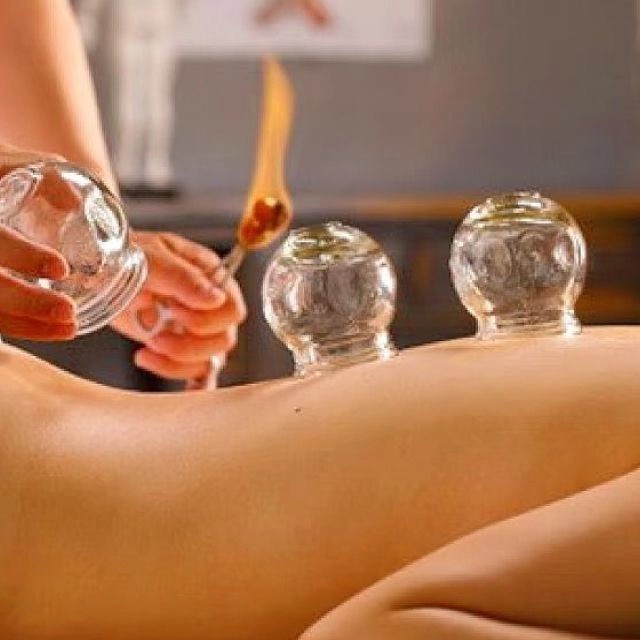
    • Fascial Decompression: The suction pulls the skin, fascia, and superficial muscle layers upward. This creates space between tissue layers, allowing for a level of deep myofascial release that is difficult to achieve with hand pressure alone.
    • Micro-circulation Boost: The vacuum causes local capillaries to expand and increases blood flow to the area. This “micro-trauma” triggers a natural healing response, stimulating the immune system and flushing out metabolic waste.

    2. The TCM Perspective: Expelling Dampness and Stagnation

    In TCM, cupping is primarily used to clear blockages and remove pathogens.

    • Expelling “Cold and Damp”: It is the gold standard for treating stiff muscles caused by environmental cold or humidity (such as prolonged air conditioning). It “sucks out” the internal cold trapped in joints and meridians.
    • Diagnostic Colors: One unique aspect of cupping is its diagnostic value. The marks (ecchymosis) provide a map of your internal health:
      • Dark Purple: Indicates blood stagnation or deep-seated cold.
      • Bright Red: Suggests “heat” or inflammation in the body.
      • Moisture/Steam in the cup: Indicates excessive “dampness.”

    3. Safety and Post-Care

    It is important to understand that these marks are not bruises in the traditional sense; they are not caused by impact and usually fade within a few days. Professional treatments typically last 5 to 15 minutes. Patients are advised to keep the treated area warm and covered after a session to prevent “wind-cold” from entering the opened pores.

  • Pediatric Tuina: A Gentle, Natural Path to Children’s Health

    Pediatric Tuina: A Gentle, Natural Path to Children’s Health

    As parents, watching a child struggle with a cough, fever, or digestive issues is always difficult. Pediatric Tuina, a specialized form of Traditional Chinese Medicine (TCM) massage, offers a safe, non-invasive, and “green” alternative to support your child’s health without the immediate need for medication.

    1. What is Pediatric Tuina?

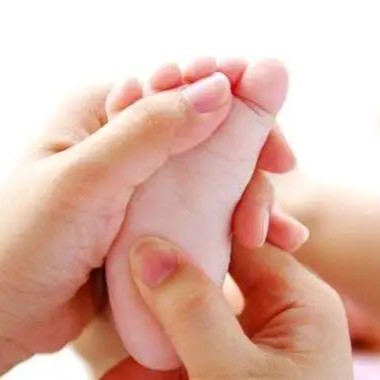
    Pediatric Tuina is a therapeutic massage technique specifically designed for children (typically aged 0 to 12). Based on TCM principles, practitioners apply gentle pressure and rhythmic movements to specific acupoints and zones on a child’s body—most commonly on the hands, arms, back, and abdomen—to balance the body’s energy (Qi) and boost its natural healing ability.

    2. Why is it Different from Adult Massage?

    • Unique Acupoints: Children have a unique map of acupoints. Unlike adults, many pediatric points are linear or circular areas rather than single dots. For example, the hands and forearms contain a high density of points that can influence the entire body’s internal organs.
    • Gentle & Fast-Acting: Children are considered physically delicate but energetically vibrant. Their bodies respond much faster to external stimulation than adults. Therefore, the techniques are significantly lighter, faster, and more rhythmic, ensuring the child stays comfortable and relaxed.
    • Medication-Free: It is a holistic therapy that addresses the root cause of illness, helping to reduce the reliance on antibiotics or over-the-counter drugs for common ailments.

    3. Common Conditions Treated

    Pediatric Tuina could address a variety of childhood health concerns:

    • Digestive Issues: Loss of appetite, indigestion, constipation, diarrhea, and abdominal pain.
    • Respiratory Issues: Frequent colds, coughs, fever, allergic rhinitis, and asthma.
    • General Well-being: Improving sleep quality, strengthening the immune system, and supporting healthy growth and development.

    Summary:

    Pediatric Tuina is more than just a massage; it is a profound medical tool that works with a child’s natural vitality. It is an investment in your child’s long-term health and immune resilience.

  • TCM Tuina vs. Western Massage

    TCM Tuina vs. Western Massage

    When seeking relief from muscle tension or chronic pain, many people find themselves choosing between Traditional Chinese Medical Massage (Tuina) and Western Massage Therapy (RMT). While both involve manual manipulation of the body, they are rooted in vastly different philosophies and therapeutic goals.


    1. Theoretical Foundation: Anatomy vs. Meridians

    The most fundamental difference lies in how each practice views the human body.

    • Western Massage is primarily based on modern anatomy and physiology. It focuses on the physical manipulation of soft tissues—muscles, tendons, ligaments, and fascia. The goal is to improve blood circulation, enhance lymphatic drainage, and release physical knots.
    • TCM Tuina is built upon the Meridian System. Rather than focusing solely on muscle groups, a Tuina practitioner views the body as a network of energy channels. By stimulating specific acupoints, Tuina aims to regulate the flow of Qi (energy) and Blood, removing blockages to restore the body’s internal balance of Yin and Yang.

    2. Therapeutic Focus: Relaxation vs. Holistic Treatment

    • Western Massage is often associated with stress reduction and relaxation. Techniques like Swedish massage are designed to soothe the nervous system and provide a sense of well-being. It is an excellent choice for general fatigue and localized muscle stiffness.
    • TCM Tuina is a clinical medical treatment. In China, it is practiced in hospitals to treat not only musculoskeletal issues but also internal conditions such as digestive disorders, insomnia, headaches, and even respiratory issues. It follows the principle of “treating the root cause,” using external manipulation to influence internal organ function.

    3. Techniques and Sensations

    • Western Massage typically uses oils or lotions to facilitate long, gliding strokes (effleurage) and kneading (petrissage). The experience is generally fluid, rhythmic, and deeply relaxing.
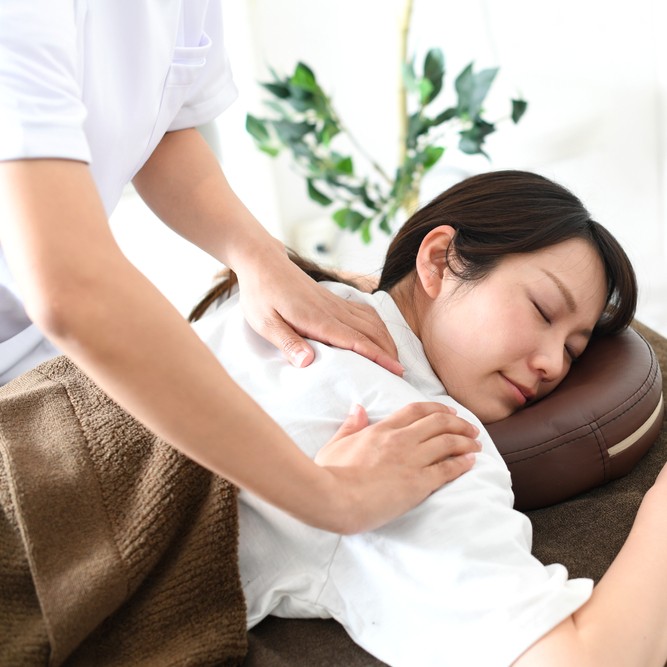
    • TCM Tuina involves a diverse range of manual techniques, including pushing (Tui), grasping (Na), pressing (An), and rolling (Gun). It emphasizes five key attributes: Strength, Evenness, Softness, Persistence, and Penetration. Unlike Western massage, Tuina is often performed over clothing or a cloth sheet. Patients may experience sensations of soreness, numbness, or heat (the “De Qi” sensation), which indicates the activation of the meridian.

    Summary: If your goal is to unwind after a long week and soothe tired muscles, Western Massage is an ideal choice. However, if you are looking for a comprehensive clinical approach to address specific health concerns or chronic imbalances, TCM Tuina offers a unique path to recovery.